A Boss Katana can make a quiet practice session feel properly inspiring, then turn around and cover a rehearsal or pub gig without asking you to bring a pedalboard the size of a coffee table. That is the appeal in a nutshell. In this Boss Katana review, we are looking at why the range remains such a familiar sight in UK guitar rooms, what it does brilliantly, and where a conventional valve amp or a different digital setup may suit you better.
The short version is that the Katana is still one of the safest amplifier buys for a guitarist who wants plenty of usable sounds, sensible volume control and genuinely good value. It is not magic, and it is not the only route to a great guitar sound. But Boss has kept the core idea focused: familiar controls, a convincing power-amp response, strong onboard effects and enough flexibility to grow with the player.
What makes the Boss Katana different?
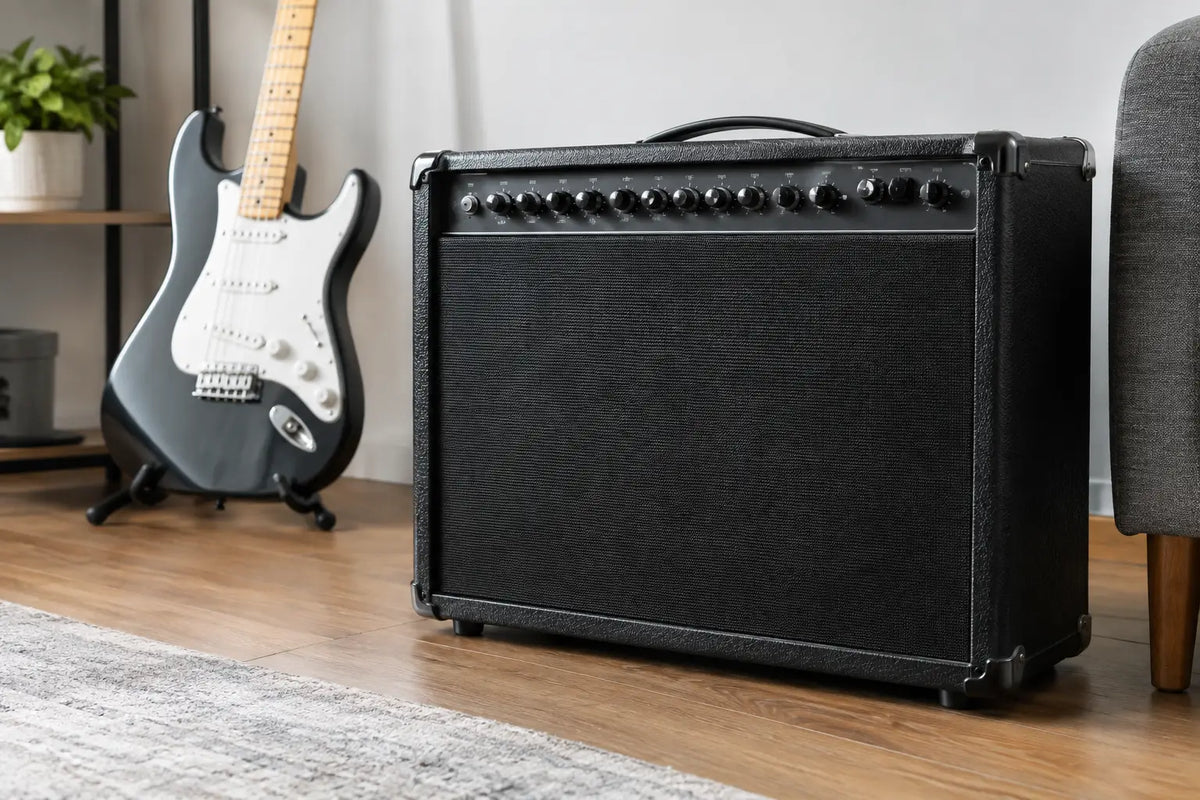
Many modelling amps offer a huge menu of amp types, cabinets and parameters before you have played a chord. The Katana takes a more guitar-amp-like route. Its front panel is laid out around five core amp characters - Acoustic, Clean, Crunch, Lead and Brown - with gain, EQ, presence, master and power control where you expect them.
That matters more than it may seem. A new player can find a clean sound and start playing within minutes. An experienced player can dial in a punchy edge-of-break-up rhythm tone, tighten the bass, add a touch of delay and get on with the gig. You can go deeper through Boss Tone Studio, but you do not have to treat the amp like a computer to enjoy it.
The current Gen 3 models refine the response and add the Pushed amp character, which gives the range a more immediate, slightly hairy middle ground between clean and crunch. It is particularly welcome for blues, indie rhythm work and classic rock, where the best sound is often just short of full distortion.
Boss Katana review: the sounds that count
The clean channel is a major reason to consider a Katana. It has enough headroom for crisp chords, funk parts and pedal platforms, while the EQ is responsive enough to accommodate very different guitars. A bright single-coil guitar may need a little treble restraint; a darker humbucker guitar may benefit from presence and a touch more top end. The amplifier does not erase the personality of the instrument, which is a good sign.
Crunch and Pushed are arguably the most rewarding settings for everyday playing. They react well to pick attack and guitar-volume adjustments, so a player can move from cleanish verses to a fuller chorus without tap dancing on pedals. Brown remains the obvious choice for saturated rock and metal tones: tight enough for riffs, with a smooth lead voice when the gain is set with some restraint.
There is a trade-off. The high-gain sounds are impressive for a compact modelling combo, but players chasing the chewy compression and speaker movement of a cranked valve stack may still prefer the real thing. At sensible home volume, though, a loud valve amp can be far less cooperative. The Katana's variable power settings make it much easier to find a satisfying sound without upsetting everyone else in the house.
The Acoustic setting is useful rather than a replacement for a dedicated acoustic amplifier. It can give an electro-acoustic guitar more clarity and space for a rehearsal, open mic or quick home setup. If acoustic performance is your main work, a purpose-built acoustic amp with more tailored inputs and EQ remains the better call.
Effects are a genuine selling point
Boss built its reputation on effects pedals, and that experience is all over the Katana. Boosts, compressors, overdrives, modulation, delay and reverb are available inside the amp, with more detailed choices and routing available in Tone Studio. The effects sound musical and familiar rather than like a box-ticking exercise.
For many players, this means fewer purchases and less cable clutter. A Katana can cover a clean sound with chorus, a driven solo with delay, and a heavier rhythm patch with a boost, all from one amplifier. Add a compatible foot controller and it becomes far more practical on stage, letting you switch channels, effects and saved sounds without reaching for the panel.
That said, an onboard multi-effects section is not automatically better than a favourite pedalboard. If you already own pedals you love, the Katana works very well as a clean or lightly driven platform. If you enjoy changing physical knobs mid-song or building unusual signal chains, separate pedals still offer a more hands-on experience.
Choosing the right Katana model
This is where it pays to be honest about how and where you play. The Katana-50 Gen 3 is the natural starting point for home players, learners and guitarists who need a capable rehearsal amp without too much bulk. It is loud enough for many practice situations and has the core sounds that made the series popular.
For regular band use, the Katana-100 Gen 3 is usually the more sensible long-term choice. The extra power provides more clean headroom, but the real advantages are the expanded switching options, effects loop and greater flexibility around live setups. It is the model that better suits the player who is moving from bedroom practice into rehearsals, recording and small venues.
The Katana Artist Gen 3 is for the guitarist who wants the flagship combo experience. Its upgraded speaker and broader control set give it more authority, especially at rehearsal and gigging volume. It costs more, of course, and it is heavier, so it will not be the automatic best buy for everyone. But if you want a Katana to be your main working amplifier rather than a very good all-rounder, it earns its place.
There are also head and compact options in the wider family. A head makes sense if you already have a cabinet you trust, while the small Katana models are excellent for a desk, flat or travelling-friendly practice setup. Speaker size and cabinet volume are not minor details: a bigger speaker and enclosure generally deliver a fuller, more physical sound, particularly for low-tuned riffs and loud drums.
Where the Katana shines at home, rehearsal and on stage
At home, the power control is the headline feature. A good guitar sound needs more than gain; it needs body, dynamics and a little air around it. The Katana manages to retain a useful amount of that character at low volume, which is why it has remained so popular with players who cannot simply turn up.
At rehearsal, the 100-watt and Artist versions have the projection and cut to sit with a drummer, provided the EQ is set sensibly. Avoid adding bass just because you are playing alone. In a full band, a tighter low end and a little midrange will usually make the guitar sound bigger where it matters - in the mix.
For live work, presets need preparation. Sounds made quietly in a bedroom can be too bright, too wet or too bass-heavy through a PA or on a stage. Build a small set of reliable patches, level-match them and test them at volume before the gig. This is good practice with any digital amplifier, not a Katana-specific flaw.
Things to consider before buying
The Katana's strength is its breadth, but players who only want one beautiful clean sound or one snarling valve-style drive may not need all that choice. A straightforward valve combo, a quality pedal platform or a compact amp modeller into monitors could be a more direct fit.
Its menu depth also has two sides. The front panel is friendly, while Tone Studio offers serious editing. Some players will enjoy shaping every patch; others will find it easy to lose an evening adjusting settings instead of practising. Start with the controls on the amp, make one or two sounds that feel good with your own guitar, then explore the software when you have a reason to.
Try to judge any amplifier with the guitar you actually play. A Katana with a low-output vintage-style single-coil instrument responds differently from one paired with active humbuckers. At Chordplay Guitars, that is exactly why being able to plug in, turn the knobs and hear the result for yourself is worth more than a dozen anonymous preset clips.
The Katana is not trying to replace every valve amp, boutique pedalboard or recording rig. It is offering a brilliantly practical middle ground, with enough feel and character to keep experienced players interested and enough simplicity to welcome a first-time buyer. Pick the model for your real-world use, spend time with the gain and master controls, and let your hands make the final decision.
Share:
What Used Amplifier Testing Should Include
Fender Guitar Review: Which One Suits You?